
Milky Toner Toxicity Guide: Byoma, Laneige, Pharmacy, The Ordinary & Fenty Beauty
Truth Rating
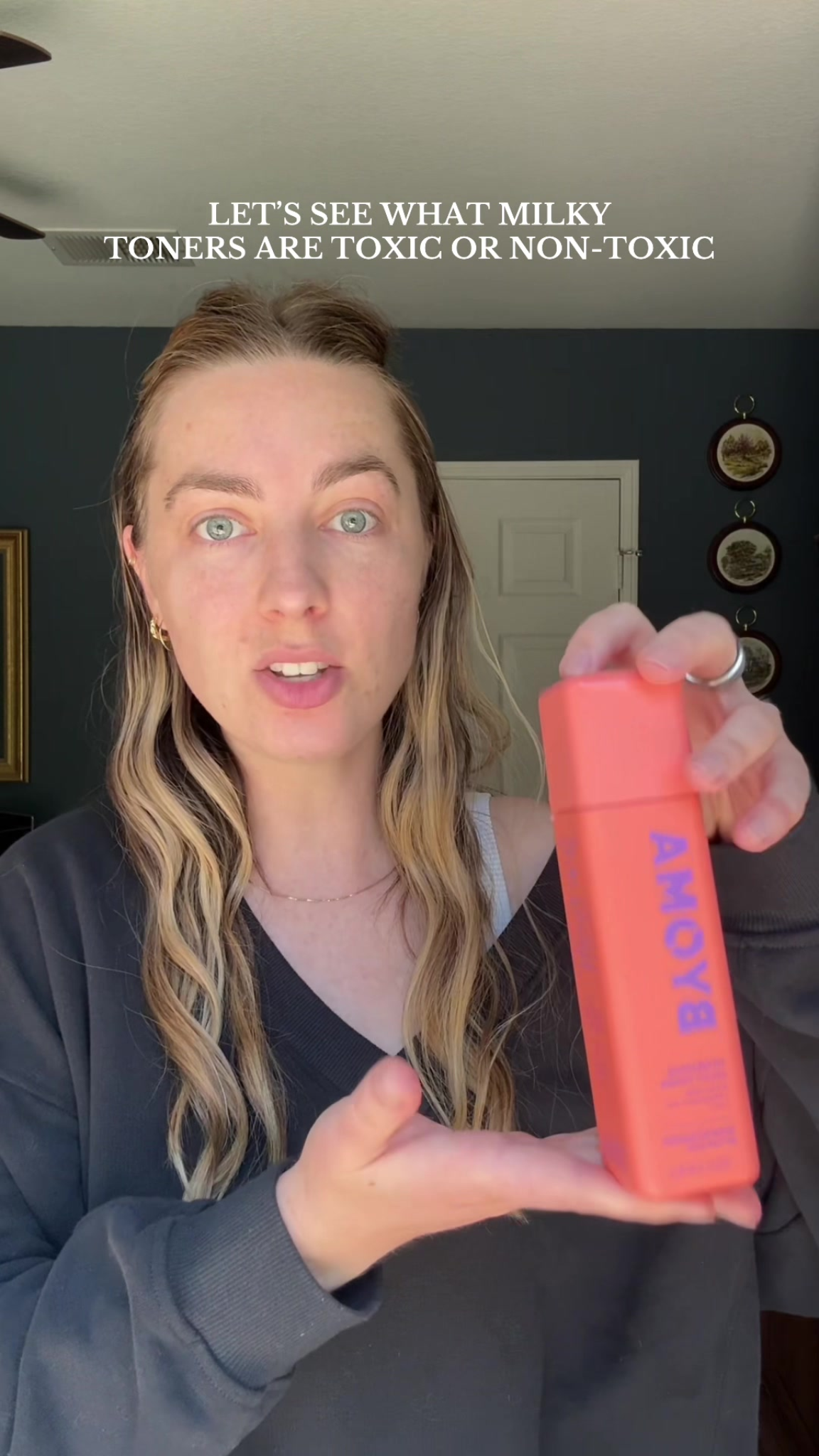
The narrator claims several milky toners are 'toxic' due to ingredients like phenoxyethanol and polysorbates, often labeling them as 'human carcinogens'. These claims largely misinterpret international safety regulations and safe usage levels.
The narrator claims several milky toners are 'toxic' due to ingredients like phenoxyethanol and polysorbates, often labeling them as 'human carcinogens'. These claims largely misinterpret international safety regulations and safe usage levels.
🔥Hot Take:
- The narrator uses 'chemophobia' tactics, incorrectly labeling FDA and EU-approved preservatives and surfactants as 'toxic' or 'human carcinogens' without context regarding dosage or absorption.
- Categorizing phenoxyethanol as 'toxic' contradicts global safety standards (SCCS), which confirm it is safe at the 1% concentration limit typically used in cosmetics.
🔥Hot Take:
- •The narrator uses 'chemophobia' tactics, incorrectly labeling FDA and EU-approved preservatives and surfactants as 'toxic' or 'human carcinogens' without context regarding dosage or absorption.
- •Categorizing phenoxyethanol as 'toxic' contradicts global safety standards (SCCS), which confirm it is safe at the 1% concentration limit typically used in cosmetics.
Claim Breakdown:
📝 Fact Check: Phenoxyethanol is one of the most thoroughly researched preservatives in the world. The EU Scientific Committee on Consumer Safety (SCCS) and the FDA consider it safe for use in cosmetics at concentrations up to 1%. It is not considered 'toxic' in the concentrations found in skincare.

Fact Check Date: January 9, 2026
IMPORTANT WARNING
Disclaimer: This tool provides general informational content and is not a substitute for personalised, professional advice.
Recent BS Checks