
What I Eat in a Day: Gut Health Scientist on the Mediterranean Diet
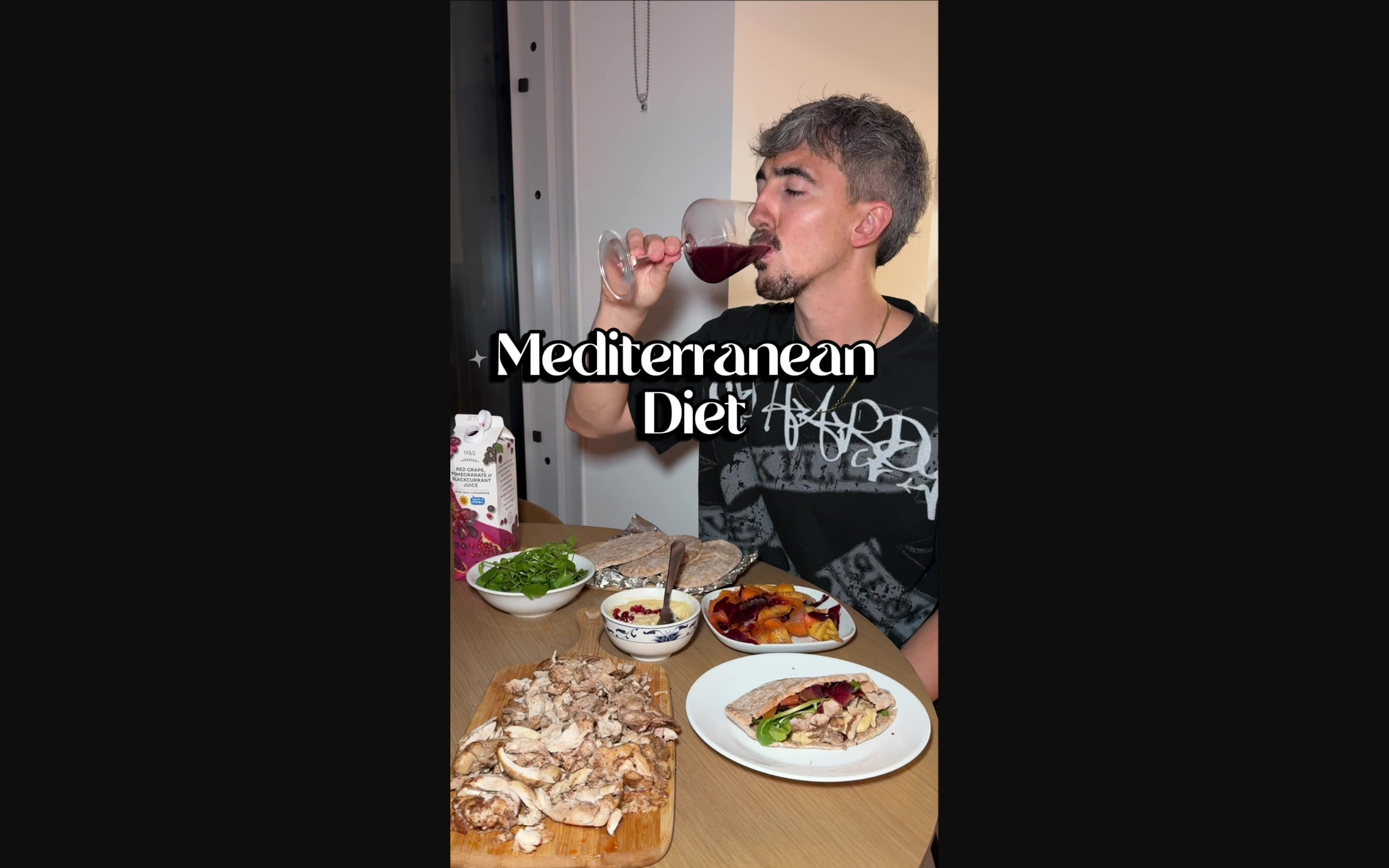

The narrator provides a largely accurate Mediterranean-based routine. While the ‘30 plants a week’ concept and fiber intake are scientifically sound, the specific claim that honey contains probiotics is a common factual error.
The narrator provides a largely accurate Mediterranean-based routine. While the ‘30 plants a week’ concept and fiber intake are scientifically sound, the specific claim that honey contains probiotics is a common factual error.
🔥Hot Take:
- The speaker is a fiber fanatic with a solid grasp of the Mediterranean diet, but calling honey a 'probiotic' is a scientific foul—it's a prebiotic helper at best.
- While the 'fart walk' sounds like a TikTok trend, post-meal walking actually does reduce blood sugar spikes and aid gastric motility.
🔥Hot Take:
- •The speaker is a fiber fanatic with a solid grasp of the Mediterranean diet, but calling honey a 'probiotic' is a scientific foul—it's a prebiotic helper at best.
- •While the 'fart walk' sounds like a TikTok trend, post-meal walking actually does reduce blood sugar spikes and aid gastric motility.
Claim Breakdown
🎯 Truth Rating: Distorted - Grade D
📝 Why: The narrator confuses probiotics (live bacteria) with prebiotics (fiber that feeds bacteria). Honey, berries, oats, and seeds do not contain significant live probiotic cultures; they provide prebiotic fibers and polyphenols that support existing bacteria. Honey has specifically been shown to help 'probiotic' survival as a substrate, but is not a source of probiotics itself.
🔗 Source:
•
ISAPP Science- Defines prebiotics (fiber/honey) vs probiotics (live cultures).
•
Journal of Nutrition (University of Illinois Study)- Honey helps probiotics survive digestion but is not a probiotic source itself.
IMPORTANT WARNING
Disclaimer: This tool provides general informational content and is not a substitute for personalised, professional advice.